
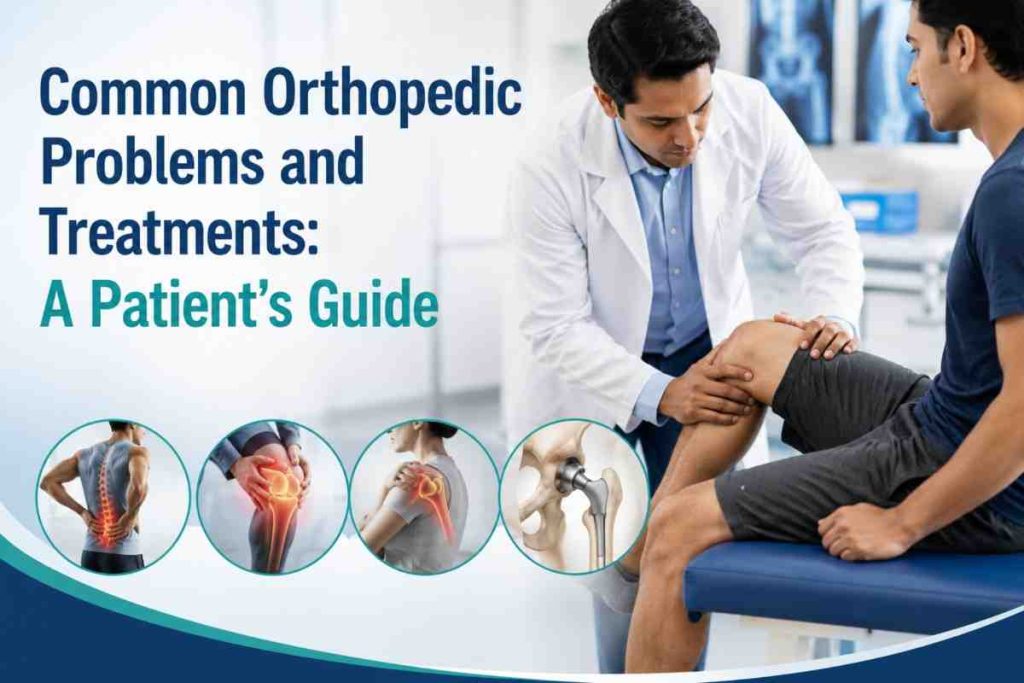
Joint pain, stiffness, or an unexpected injury can disrupt daily life in ways that are easy to underestimate until you’re living with them. Orthopedic problems affect people of all ages, from active young adults dealing with sports injuries to elderly patients managing age-related joint conditions. Understanding the common causes, symptoms, and treatment approaches can help patients feel more prepared when seeking care. For residents of Mugalivakkam, Porur, and nearby South Chennai neighbourhoods, this guide covers the most frequent orthopedic conditions, when to seek medical attention, and what treatment typically involves, so you can make informed decisions about your bone and joint health.
The Future of Healthcare in Mugalivakkam: Advanced Treatments, Compassionate Care
Home > The Future of Healthcare in Mugalivakkam: Advanced Treatments, Compassionate Care
Recent Post
let us helping you by make an appointment
Lorem ipsum dolor sit amet consectetur.
Common Orthopedic Problems and Treatments: A Patient's Guide
Introduction
Understanding Orthopedic Problems
Orthopedic problems involve the bones, joints, muscles, ligaments, and tendons that make up the musculoskeletal system. These conditions can develop gradually due to wear and tear, or occur suddenly through injury or accident. Because the musculoskeletal system supports nearly every physical movement, even minor orthopedic issues can significantly affect mobility, work, and quality of life if left unaddressed.
Common Orthopedic Conditions
Fractures
A fracture is a break in the bone, often caused by falls, accidents, or high-impact activity. Fracture treatment depends on the location and severity of the break, ranging from immobilisation with a cast to surgical intervention for more complex fractures. Elderly patients are particularly vulnerable to fractures due to reduced bone density, making falls a significant concern for this age group.
Arthritis
Arthritis refers to inflammation of the joints, leading to pain, stiffness, and reduced range of motion. The two most common types are:
- Osteoarthritis – caused by gradual wear of joint cartilage, typically affecting older adults
- Rheumatoid arthritis – an autoimmune condition where the body’s immune system attacks joint tissue
Arthritis treatment focuses on managing symptoms, preserving joint function, and slowing further damage, since the condition is generally chronic rather than fully reversible.
Ligament and Tendon Injuries
Sprains, strains, and tears involving ligaments or tendons are common orthopedic injuries, particularly among physically active individuals. These injuries range from mild sprains that heal with rest to more severe tears, such as ACL injuries, that may require surgical repair.
Back and Spine Conditions
Lower back pain, disc-related issues, and spinal misalignment are common concerns, especially among adults with sedentary lifestyles or physically demanding jobs. Persistent back pain that radiates to the legs or is accompanied by numbness warrants medical evaluation rather than prolonged self-management.
Joint Conditions in Elderly Patients
Beyond arthritis, elderly patients often experience joint stiffness, reduced bone density, and increased fracture risk, making preventive care and early intervention especially important for this group.
Symptoms That Should Not Be Ignored
While minor aches often resolve with rest, certain symptoms indicate the need for prompt medical evaluation:
- Severe pain that limits movement or weight-bearing
- Visible deformity following an injury or fall
- Joint swelling that persists or worsens over several days
- Numbness, tingling, or weakness in a limb
- Inability to move a joint through its normal range
- Signs of infection, such as warmth, redness, or fever near a joint
If you experience any of these symptoms, particularly after a fall or accident, seeking evaluation at an emergency room or orthopedic specialist promptly can prevent complications.
When to Seek Medical Care
Not every ache requires an emergency visit, but certain situations call for immediate attention:
- Suspected fractures, especially with visible deformity or inability to bear weight
- Sudden, severe joint pain without a clear cause
- Injuries accompanied by significant swelling or bruising
- Persistent pain that does not improve with rest after several days
- Joint locking or instability during movement
For less urgent but ongoing concerns, such as gradual joint stiffness or mild chronic pain, scheduling a consultation with an orthopedic surgeon in Porur allows for proper diagnosis before the condition progresses.
Diagnosis Process
Orthopedic evaluation typically begins with a physical examination and a review of symptoms and medical history. Depending on the suspected condition, doctors may recommend:
- X-rays to assess bone fractures or joint alignment
- MRI or CT scans for detailed soft tissue and joint imaging
- Blood tests, particularly when autoimmune arthritis is suspected
- Bone density scans for patients at risk of osteoporosis
An accurate diagnosis is essential before determining the appropriate treatment path, since similar symptoms can stem from different underlying conditions.
Treatment Options
Treatment for orthopedic problems varies widely based on the specific condition and severity:
- Conservative management – rest, physiotherapy, and medication for mild to moderate conditions
- Immobilisation – casts, splints, or braces for fractures and certain injuries
- Injections – corticosteroid or other injections to manage joint inflammation in select cases
- Surgical intervention – required for severe fractures, significant ligament tears, or advanced joint damage
- Joint replacement – considered for severely damaged joints, typically in advanced arthritis cases, after conservative options have been explored
The right treatment approach depends on individual factors, and an orthopedic specialist can outline realistic expectations based on the specific diagnosis.
Recovery Expectations
Recovery timelines vary significantly depending on the condition and treatment method. Fracture healing generally takes several weeks, while surgical recovery, such as after joint replacement, involves a longer rehabilitation process including physiotherapy. Patients should follow their doctor’s specific recovery plan rather than general timelines, since individual healing rates differ based on age, overall health, and adherence to post-treatment care.
Preventive Healthcare Guidance
Several lifestyle measures can help reduce the risk of orthopedic problems:
- Maintaining a healthy weight to reduce joint stress
- Engaging in regular, low-impact exercise to support joint mobility
- Ensuring adequate calcium and vitamin D intake for bone health
- Using proper posture and ergonomic support during prolonged sitting
- Wearing appropriate footwear and protective gear during physical activity
- Addressing fall risks at home, particularly for elderly family members
Common Myths & Facts About Orthopedic Problems
Myth: Joint pain is just a normal part of aging that doesn’t need treatment. Fact: While some wear is common with age, persistent or worsening joint pain should be evaluated, as early management can help preserve function.
Myth: Surgery is always required for arthritis. Fact: Many arthritis cases are managed effectively with conservative treatment, and surgery is typically considered only when other options no longer provide adequate relief.
Myth: You should avoid all movement after a joint injury. Fact: While rest is important initially, guided movement and physiotherapy, as advised by a doctor, often support better recovery than complete inactivity.
Myth: Fractures always require a cast for the same duration. Fact: Healing time and immobilisation methods depend on the location and severity of the fracture, and treatment plans are individualised accordingly.
Kedar Hospital's Approach to Orthopedic Care
At Kedar Hospital in Mugalivakkam, orthopedic care is delivered through a multispeciality framework that combines diagnostic accuracy with patient-focused treatment planning. Our orthopedic team works alongside diagnostic imaging and, when needed, general surgery specialists to ensure patients receive coordinated care from evaluation through recovery.
Our facilities support both non-surgical and surgical orthopedic treatment, with access to imaging services for accurate diagnosis and a dedicated emergency care setup for injuries requiring urgent attention. For elderly patients managing chronic joint conditions, our team focuses on realistic, sustainable treatment plans rather than one-size-fits-all solutions.
For families across Porur, Iyyappanthangal, Kovur, Gerugambakkam, Mangadu, and Pallavaram, Kedar Hospital aims to make quality orthopedic care accessible without requiring long travel, particularly important for elderly patients or those recovering from recent injury. Our approach prioritises clear communication about diagnosis, treatment options, and expected recovery, so patients can make informed decisions about their care.
Practical Information for Patients
When to consult a doctor: Persistent pain, swelling, reduced mobility, or any injury involving suspected fracture should prompt a consultation rather than prolonged self-treatment.
What to bring to appointments: Prior imaging or test results, a list of current medications, and details of when symptoms began help the orthopedic team assess your condition efficiently.
Emergency preparedness: For suspected fractures or severe injuries, immobilise the affected area if possible and seek emergency care promptly, particularly for patients near GST Road or surrounding areas.
Support services: Ask about physiotherapy referrals and post-treatment rehabilitation support available through the hospital.
Frequently Asked Questions (FAQs)
The most frequent orthopedic issues include fractures, arthritis, ligament or tendon injuries, and back or spine-related pain, affecting patients across different age groups for different reasons.
Visible deformity, inability to bear weight, severe swelling, or numbness following an injury are signs that warrant an emergency room visit rather than waiting to see if symptoms improve.
Persistent joint swelling, numbness or weakness in a limb, signs of infection near a joint, and pain that worsens rather than improves over time should be evaluated by a doctor.
Recovery time depends on the specific procedure and individual health factors, and generally involves a structured rehabilitation period. Your surgeon can provide a personalised recovery timeline based on your case.
Common diagnostic tools include X-rays, MRI or CT scans, and in some cases blood tests or bone density scans, depending on the suspected condition.
Treatment approach depends more on the type and severity of arthritis than age alone, though older patients may have additional considerations related to bone density and overall health.
While not all conditions are preventable, maintaining a healthy weight, regular exercise, proper nutrition, and fall prevention measures can reduce risk, particularly for age-related joint conditions.
Look for a specialist affiliated with a multispeciality hospital offering diagnostic support and a coordinated care team, which allows for more comprehensive evaluation and treatment planning.
Conclusion
Orthopedic problems, whether a sudden fracture or gradually developing joint pain, deserve timely attention and an accurate diagnosis rather than guesswork or prolonged self-management. Understanding common conditions, warning signs, and treatment options empowers patients to seek appropriate care at the right time. At Kedar Hospital, our orthopedic team in Mugalivakkam is committed to providing accessible, patient-centered care for families across Porur and South Chennai, from initial diagnosis through recovery. If you’re experiencing persistent joint pain, a recent injury, or ongoing mobility concerns, we encourage you to schedule a consultation with our orthopedic specialists for a thorough evaluation and personalised treatment plan.
Disclaimer: This article is intended for general informational purposes only and does not replace professional medical advice. Always consult a qualified pediatrician for concerns about your child’s health. In a medical emergency, seek care immediately.